
DIGITAL CLOCK SYSTEMS
Digital Clock Systems
for every space.
Digital clocks, synchronized displays, and network time systems designed for clear, reliable timekeeping across every space.
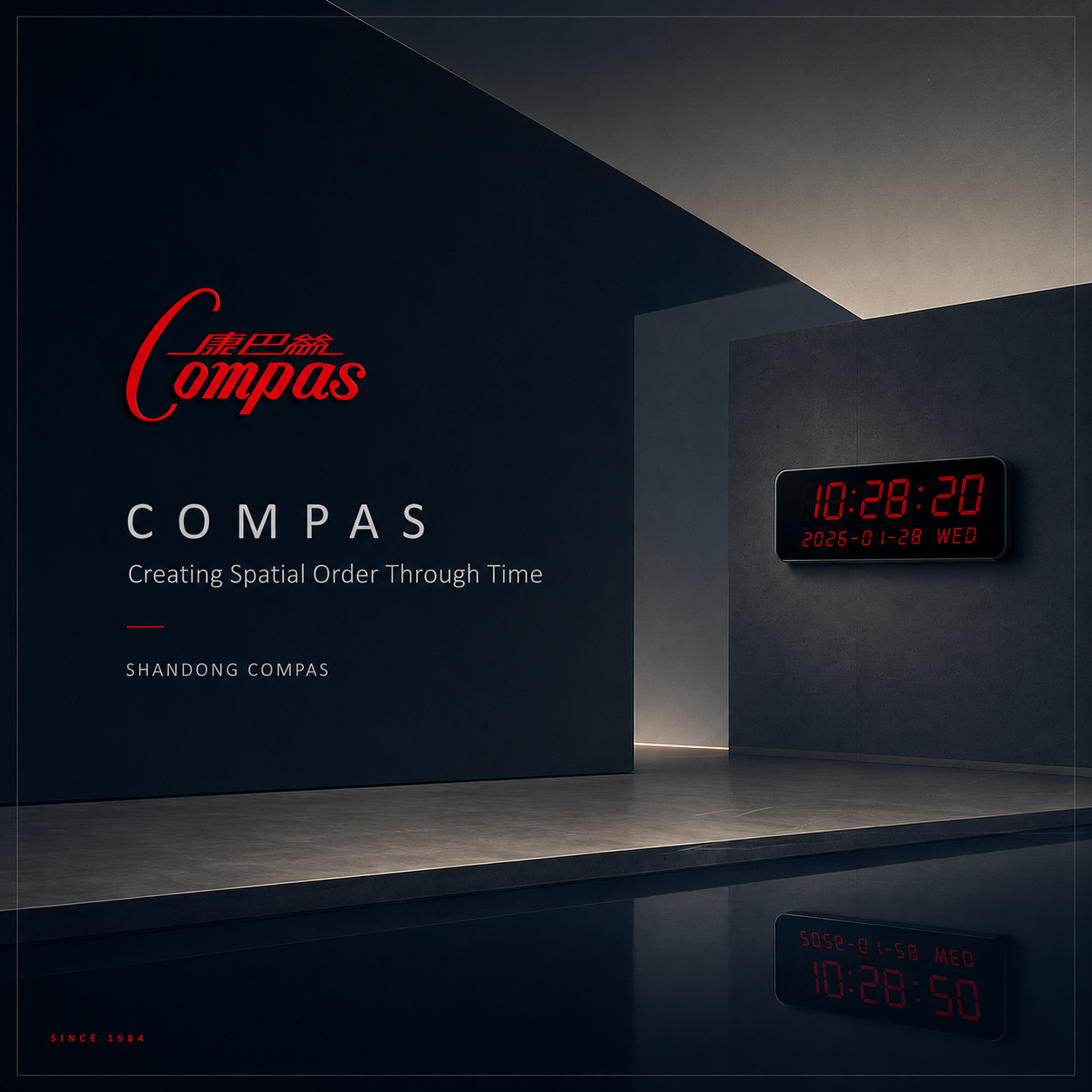
One signal.
Every display.
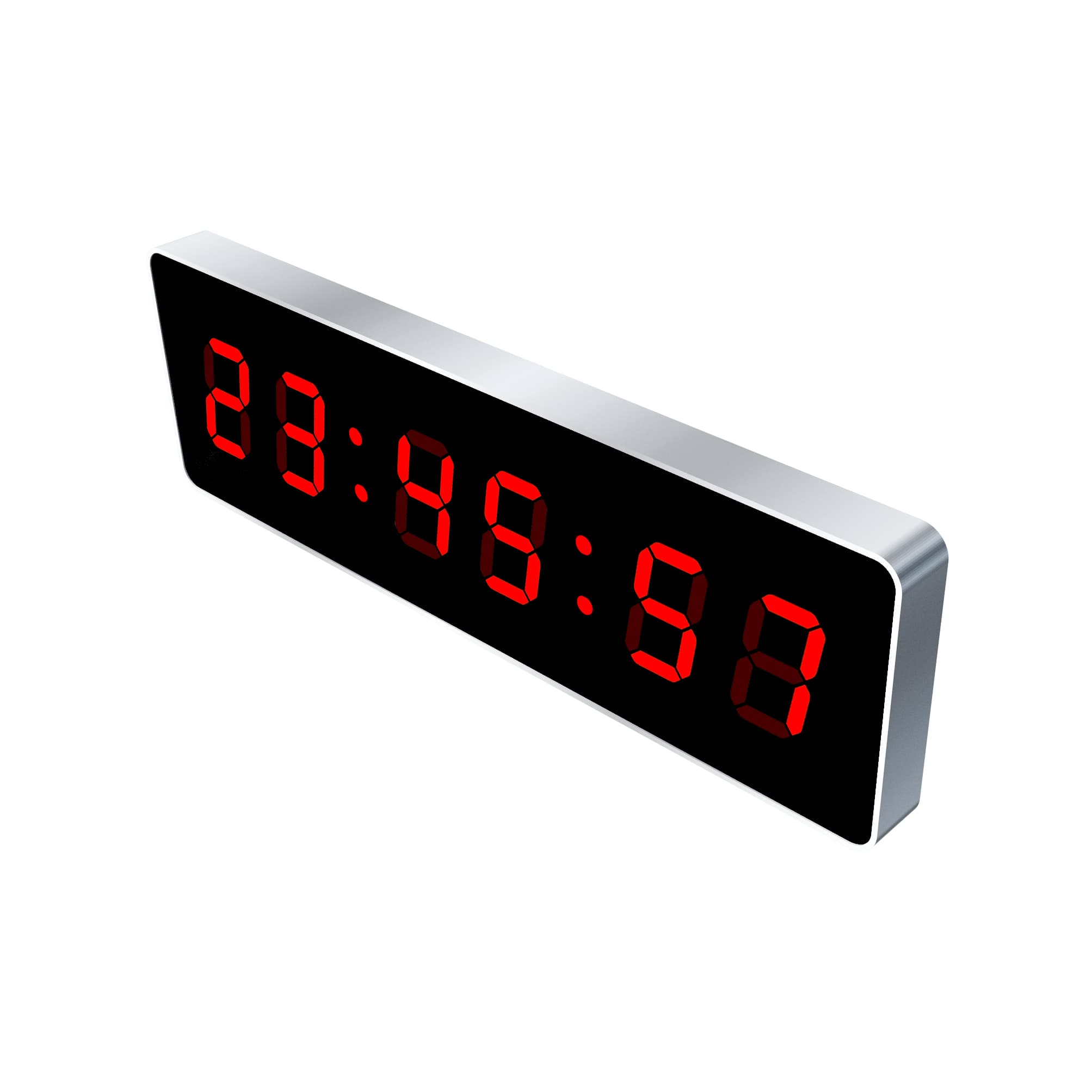
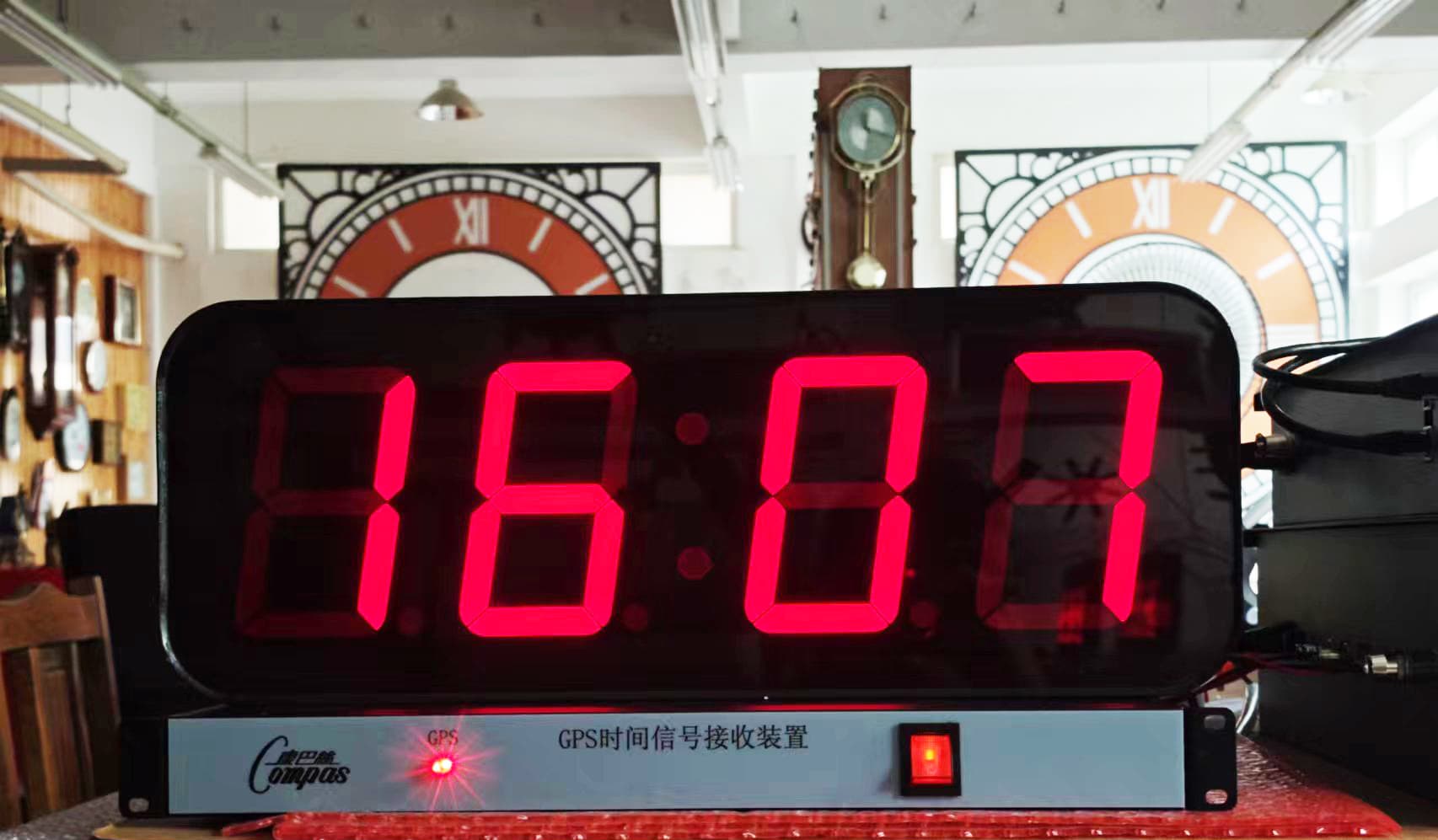
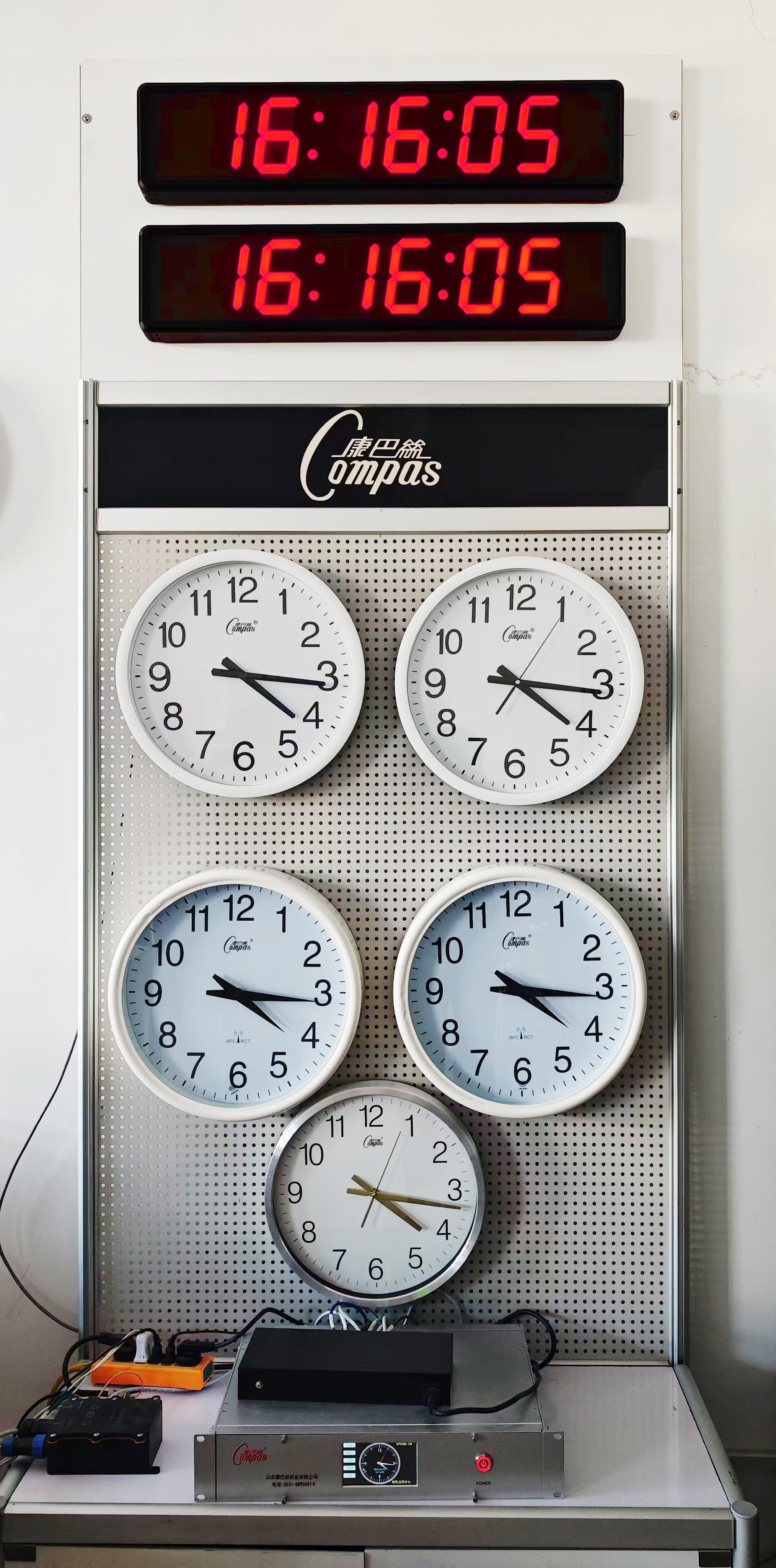
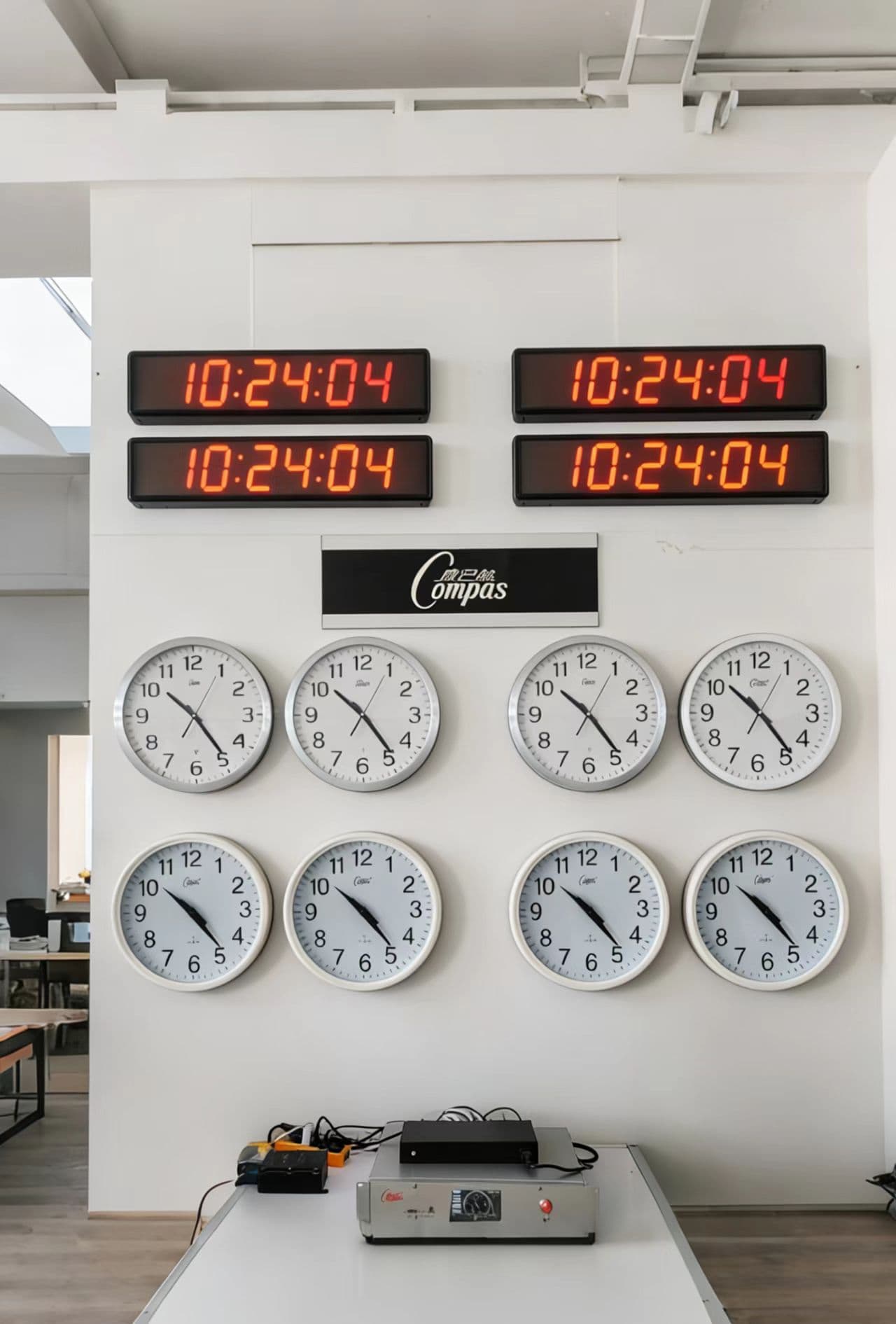
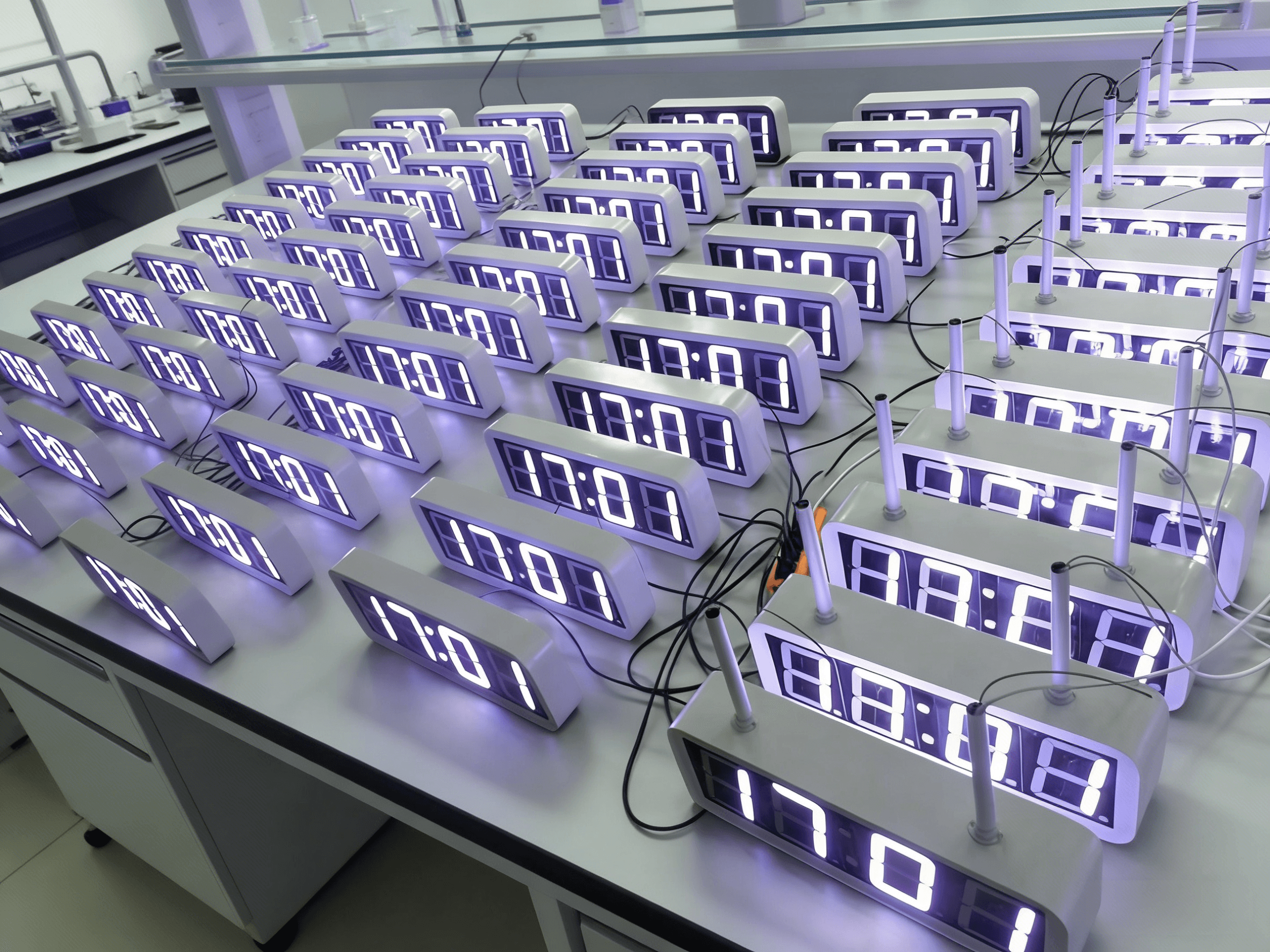
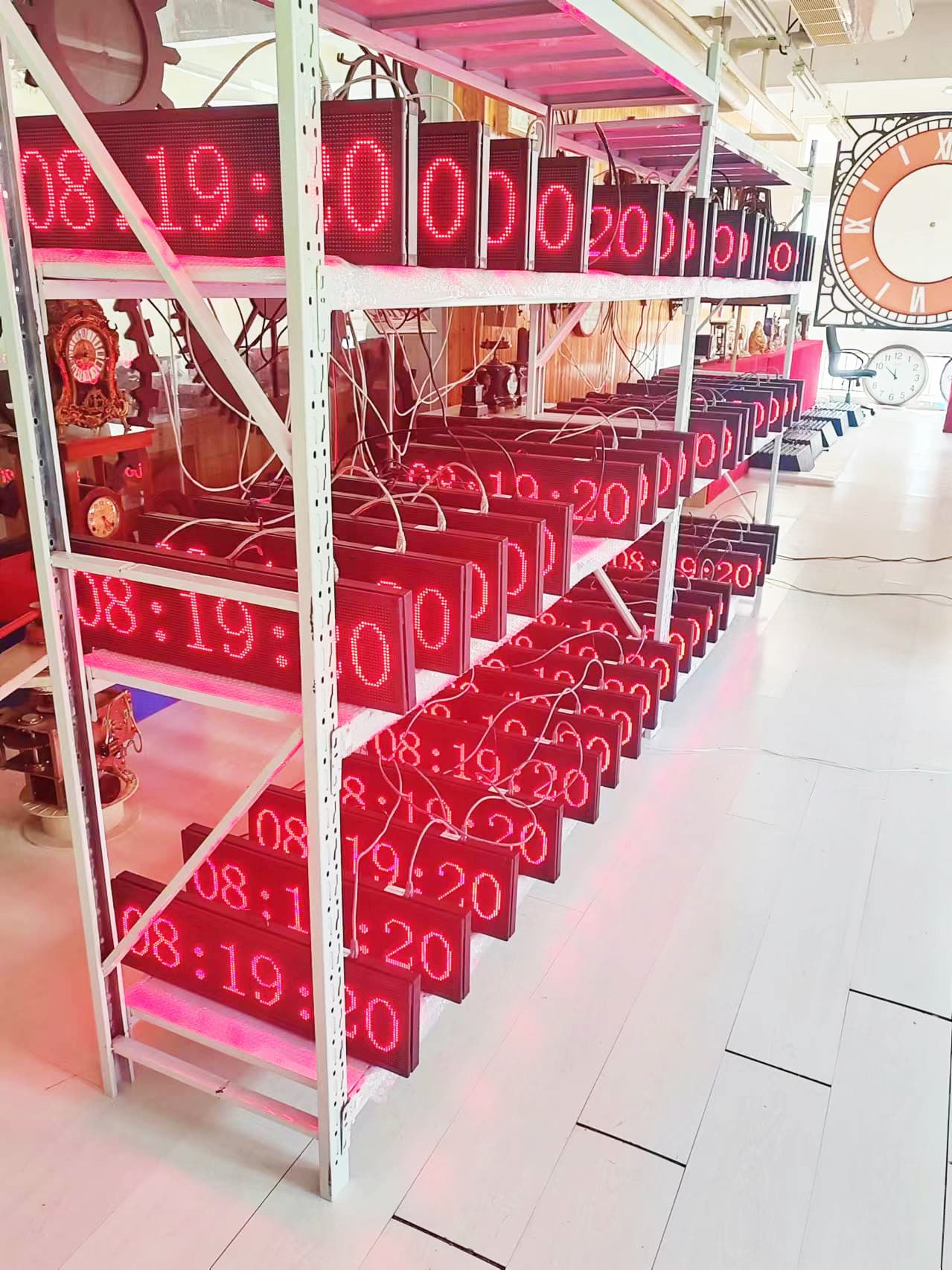
From compact LED units to multi-zone installations, our digital clock systems bring a consistent time reference to schools, factories, offices, stations, and public facilities.
PRODUCTS & APPLICATIONS
Built for visibility.
Ready for scale.
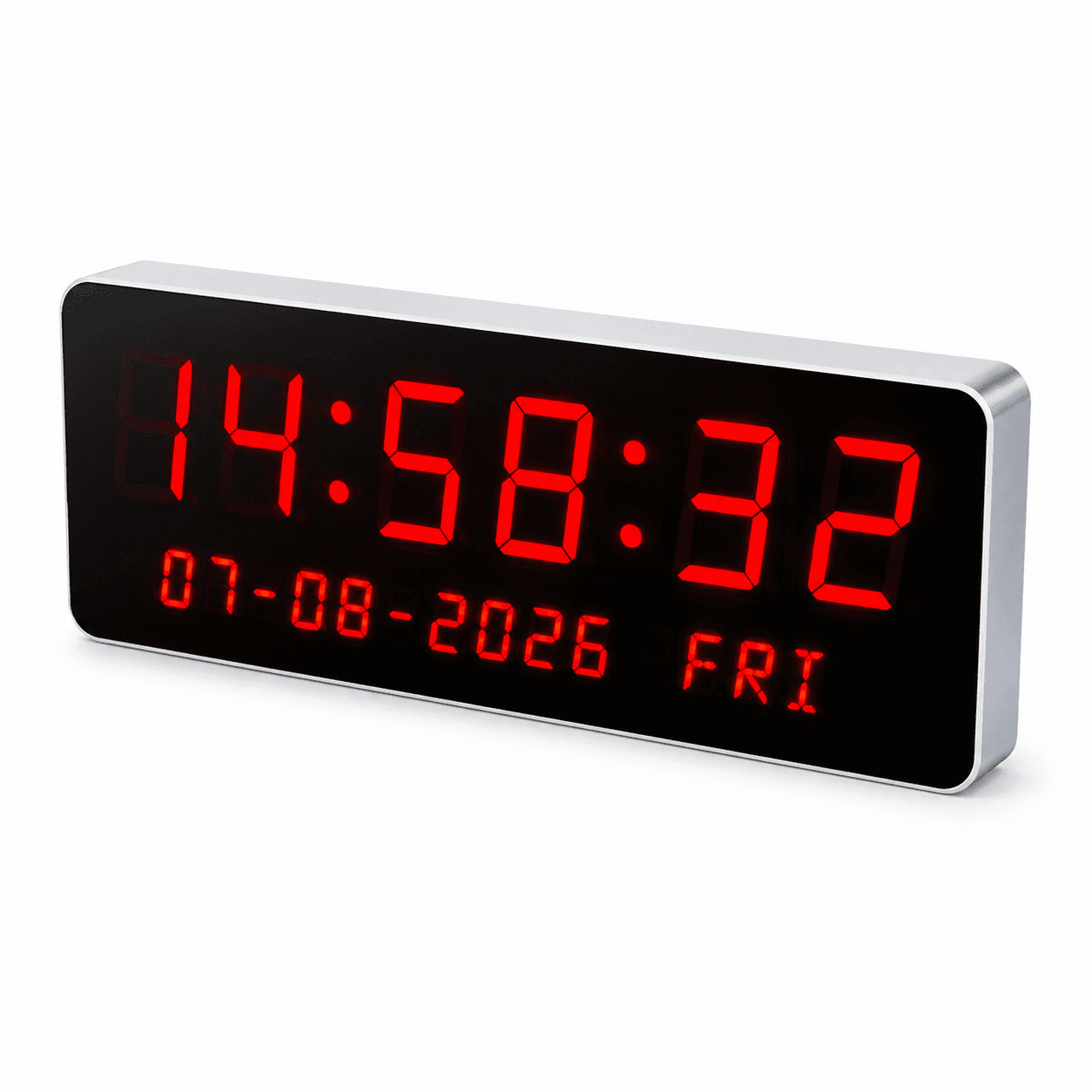
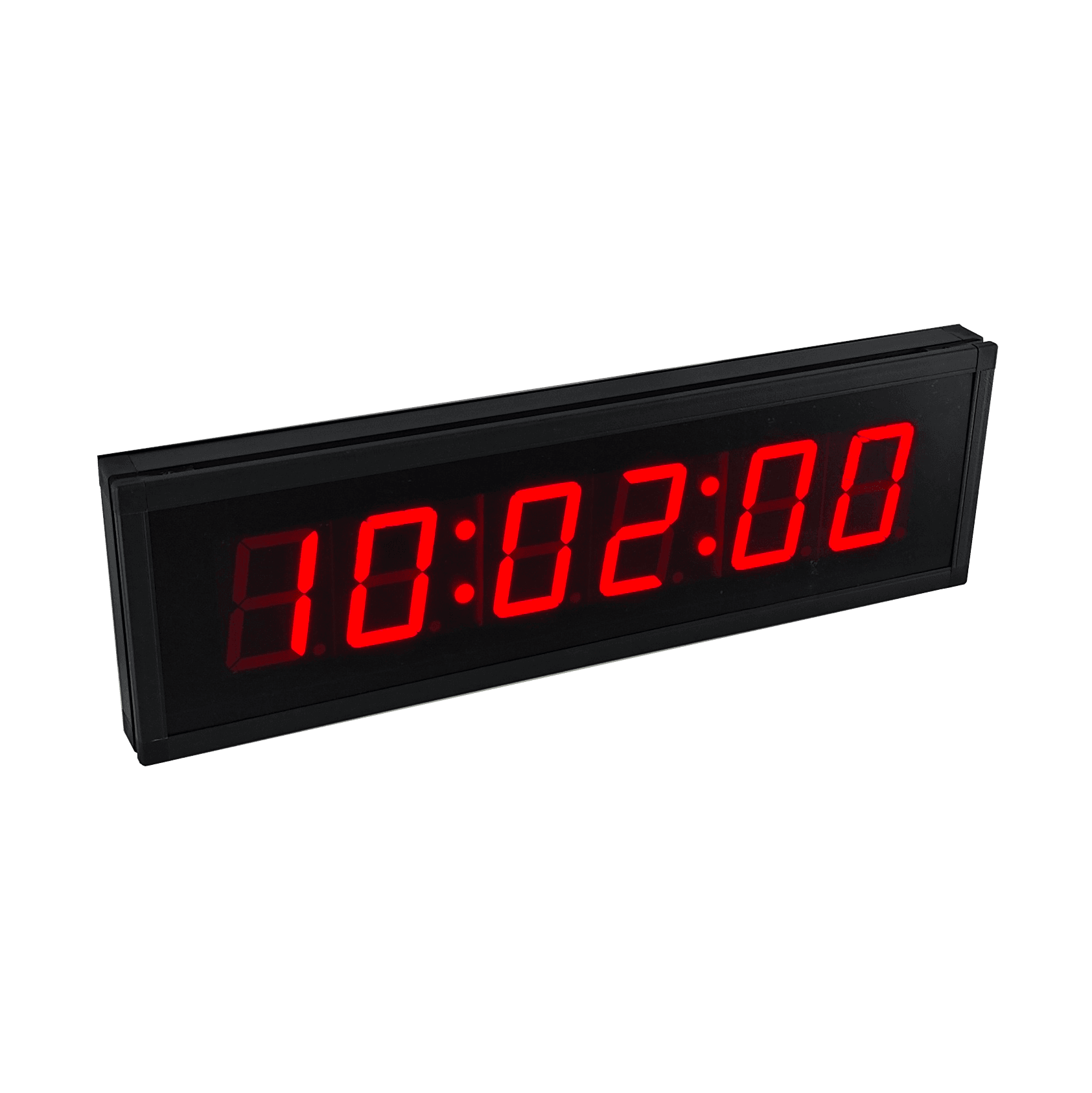
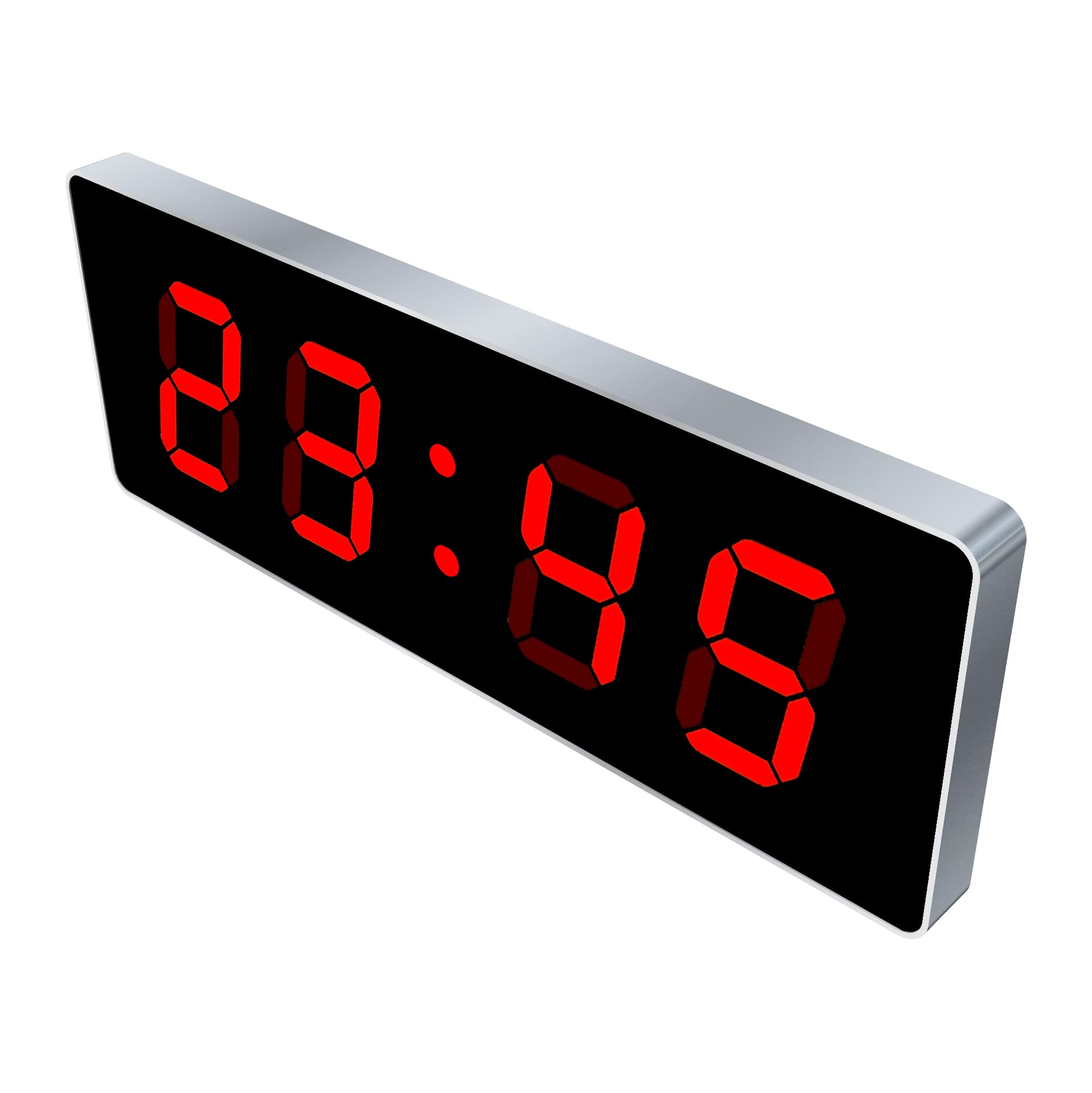
SYSTEM OVERVIEW
A clear time source
for every zone.
PROJECT PLANNING
Defining the System
A digital-clock project begins by identifying where time needs to be visible and how those locations relate to one another. A single reception display, a group of factory clocks, and a multi-building campus each create a different planning brief. Marking every proposed display on a floor plan or site drawing gives the first discussion a clear scope.
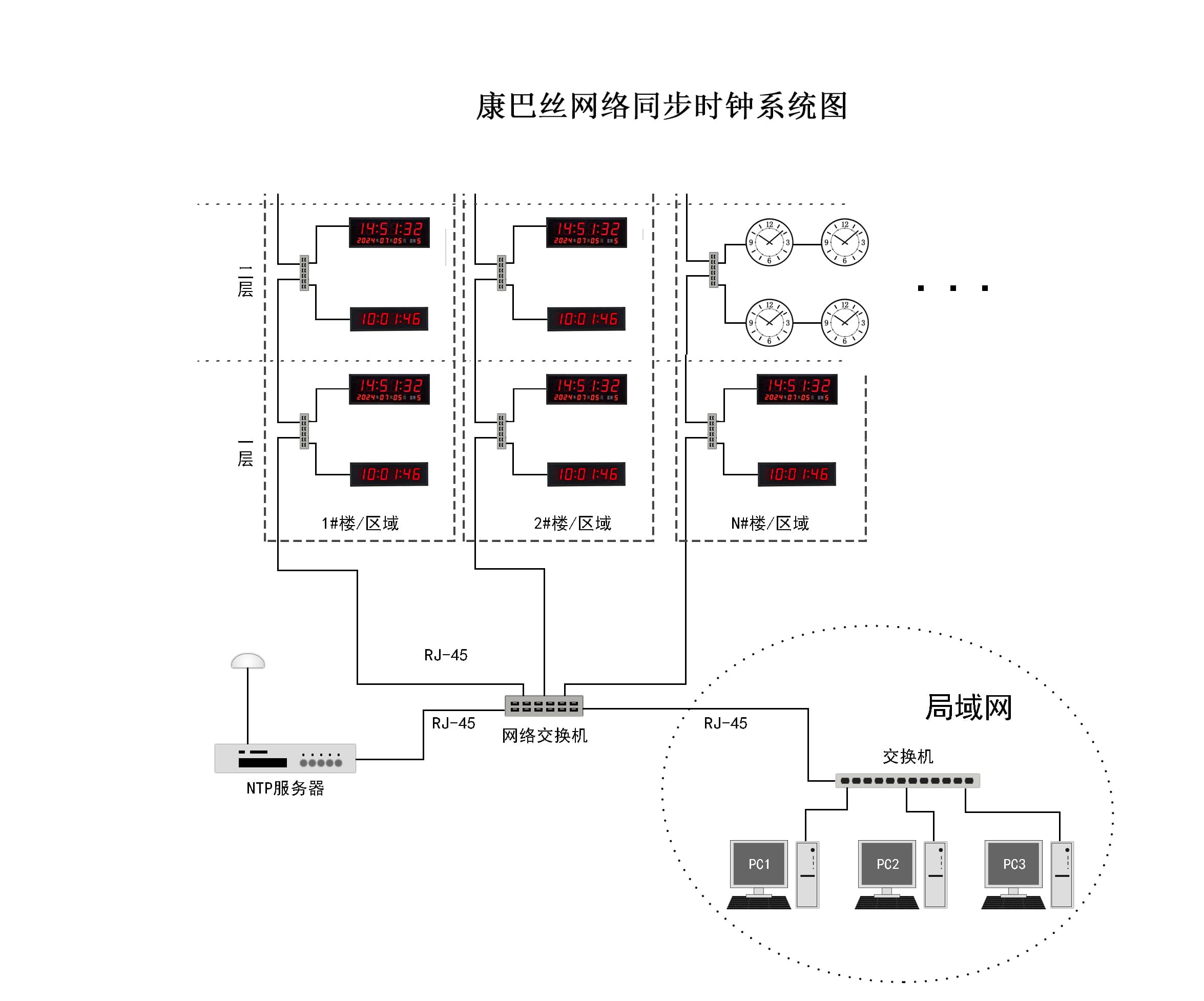
Viewing distance, ambient conditions, mounting position, and the preferred display format help describe what users need to see in each space. The intended time source should also be identified at concept stage, whether the project is considering GPS, 4G, network control, or another arrangement that must be confirmed during the technical review.
PROPOSAL INPUTS
Information for a Proposal
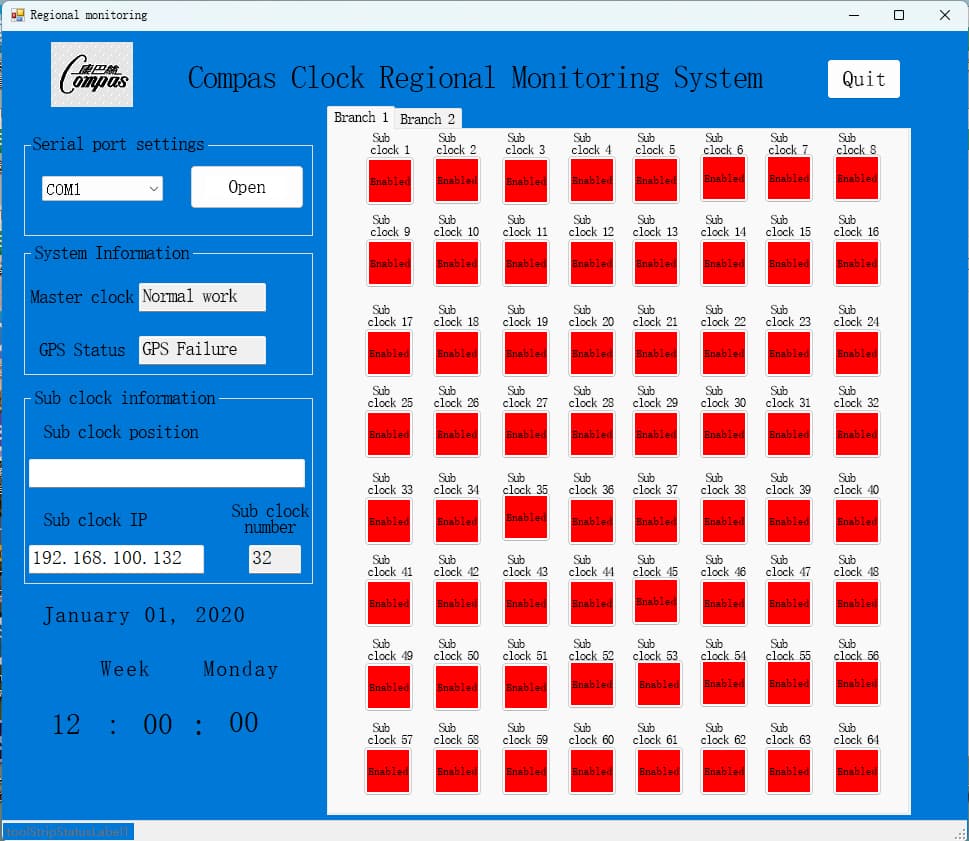
Share the project location, number of displays, approximate viewing distances, preferred display format, and the spaces where each clock will be installed. Floor plans, reflected ceiling plans, site drawings, or marked photographs can all communicate the intended positions without requiring a finished technical package at the start of the enquiry.
If the clocks are expected to operate as one synchronized system, identify the buildings or zones that need a common time reference and any existing control information available from the project team. These details allow the proposal to separate confirmed requirements from items that still need technical clarification before quotation.